Storm & Hurricane Damage Roof Repair in Coral Springs, FL
Hurricanes, tropical storms, and severe thunderstorms leave behind damage that isn't always obvious from ground level. We conduct thorough post-storm roof inspections, document every finding with photographs, and repair wind, debris, and water-driven damage across residential and commercial properties in Coral Springs and Broward County.
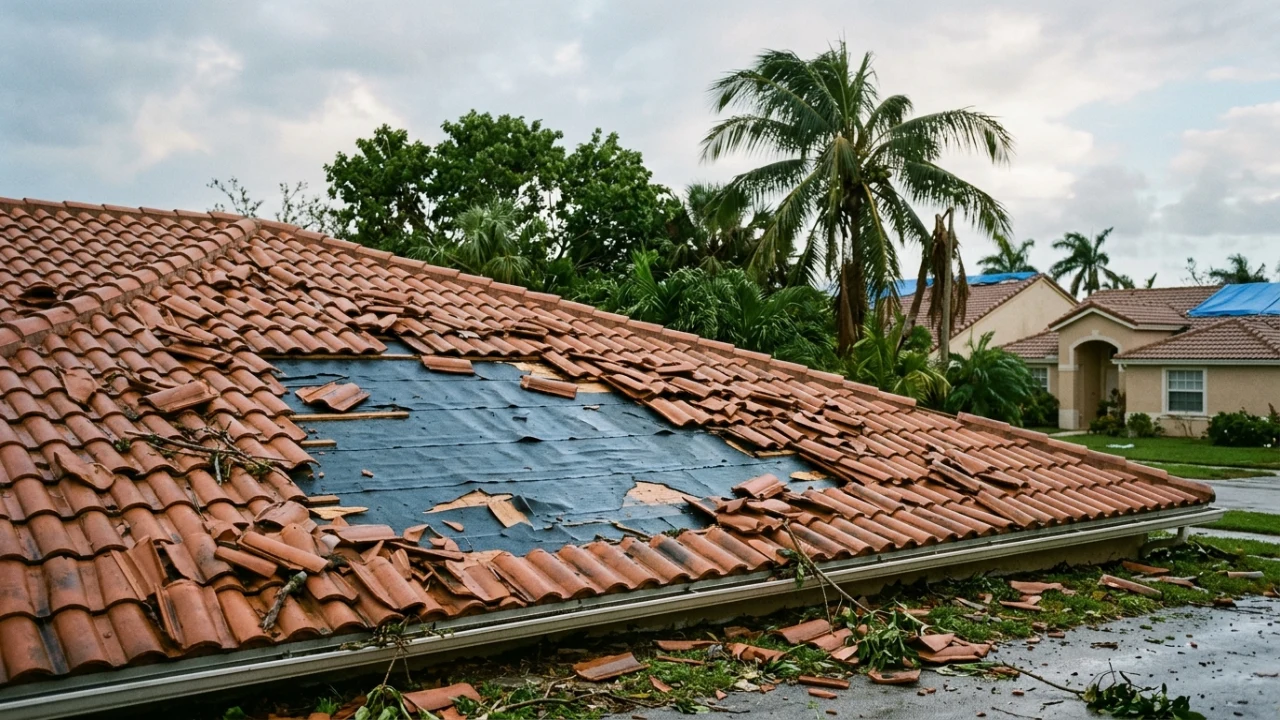
Signs Your Roof Sustained Storm Damage
After a hurricane or severe storm passes through Broward County, some damage is immediately visible — but much of it isn't. These indicators suggest your roof may have sustained wind, impact, or water-driven damage that warrants a professional inspection.
Shingles, tiles, or metal panels scattered in the yard
Roofing materials on the ground are the most obvious sign of wind damage. Even a few missing shingles or cracked tiles can expose underlayment to the next rain event, and the areas surrounding the missing material may be compromised as well.
New interior leaks that appeared during or after the storm
Ceiling stains, dripping water, or damp walls following a storm indicate that wind-driven rain found an entry point. Even if the leak stops when the storm passes, the underlying damage remains and will likely allow water in during the next significant rainfall.
Visible dents or impact marks on gutters and downspouts
Hail and airborne debris that dent metal gutters and fascia often damage roofing materials on the same slopes. If your gutters show fresh impact marks after a storm, the roof surface above likely took similar hits that may not be visible from the ground.
Granule accumulation in gutters or at downspout outlets
Asphalt shingles shed surface granules when struck by debris or battered by sustained high winds. An unusual amount of granule buildup in gutters after a storm indicates the shingle surface has been compromised, reducing its ability to shed water and resist UV exposure.
What You Can Safely Assess After a Storm
After severe weather, stay off the roof. Wet, debris-covered, or structurally uncertain surfaces create serious fall risks. Instead, focus on ground-level and interior observations that help identify whether professional inspection is needed.
Walk the perimeter looking for displaced materials
Circle the home from ground level. Look for shingles, tile fragments, flashing pieces, or sections of ridge cap on the ground, in landscaping, or caught on fences. Note which side of the roof the debris came from — this helps prioritize the inspection.
Check for fallen branches or debris on the roof
Using binoculars or standing at a distance, look for branches, palm fronds, or debris resting on the roof surface. Even moderate-sized branches can crack tiles, dislodge shingles, or puncture flat roof membranes beneath them.
Inspect interior ceilings and walls for new moisture
Walk through upper-floor rooms, closets, and attic access points. Fresh ceiling stains, damp drywall, or water pooling around ceiling fixtures suggest wind-driven rain entered through a storm-created opening.
Photograph everything before cleanup
Take photos of all visible damage — exterior and interior — before moving debris or beginning any cleanup. Time-stamped photographs provide valuable documentation for insurance claims and help the inspection team understand what occurred.
Examine soffit and fascia for wind damage
Soffits blown open by wind allow rain to enter the attic and wall cavities. Check for displaced soffit panels, bent fascia, and exposed openings along the eaves — these are common storm damage points that often go unnoticed.
How Storms Damage Different Roof Types
Wind, rain, and debris affect each roofing system differently. Understanding how your specific roof type responds to storm conditions helps set realistic expectations for the inspection and repair process.
Shingle Roofs
High winds peel shingles from the deck, crease them along the nail line, or break their adhesive bond. Once lifted, damaged shingles allow wind-driven rain underneath. Granule loss from debris impact reduces UV protection and accelerates aging of the exposed mat.
- Missing or wind-creased shingle tabs
- Exposed nail heads from shifted shingles
- Lifted edges with broken seal strips
Tile Roofs
Concrete and clay tiles resist wind well when properly fastened, but airborne debris can crack or shatter individual tiles. Displaced tiles expose the underlayment, which may already be deteriorated on older tile roof systems — allowing water to reach the deck quickly.
- Cracked, broken, or missing tiles
- Displaced ridge and hip cap tiles
- Exposed underlayment beneath shifted tiles
Flat & Low-Slope Roofs
Storm debris punctures membranes, and high winds can peel back improperly adhered TPO or modified bitumen sections. Ponding water after a storm that doesn't drain within 48 hours indicates blocked drains or shifts in the roof slope from wind or structural movement.
- Punctured or torn membrane sections
- Peeled-back membrane at edges or equipment curbs
- Standing water near clogged drains or scuppers
Flashing & Edge Details
Wind lifts and separates flashing at wall transitions, chimneys, skylights, and roof edges. Drip edge pulled away from the fascia allows water behind the gutter line. Valley flashing damaged by debris creates concentrated leak points during subsequent rainfall.
- Separated step or counter flashing at walls
- Bent or missing drip edge sections
- Dented or displaced valley flashing
Roof Penetrations
Vent caps, pipe boots, and exhaust hoods are particularly vulnerable during storms. Wind can loosen fasteners, crack rubber collars, and push sealant away from the penetration base — creating entry points that may not leak until the next heavy rain.
- Tilted or missing vent caps
- Cracked pipe boot collars
- Separated sealant around roof penetrations
Underlayment & Decking
The most consequential storm damage often occurs below the surface. Wind-driven rain that enters through compromised roofing material saturates underlayment and reaches the roof deck. Prolonged exposure causes delamination, softening, and structural compromise that isn't visible until materials are removed.
- Soft or spongy areas when walking the roof
- Dark staining on attic-side decking
- Saturated or compressed insulation below

Why Some Storm Damage Doesn't Show Right Away
A roof can look intact from the ground and still have significant damage above. Wind can lift shingles enough to break their seal strip without tearing them off. Tiles can shift on their battens without visibly cracking. Flashing can separate at the top while appearing secured from below.
This hidden damage creates a delayed problem: the roof functions normally during light rain but fails under the next heavy downpour or wind-driven storm. Many homeowners in Coral Springs discover storm damage weeks later, when a seemingly minor afternoon thunderstorm produces an interior leak that the previous hurricane caused but didn't immediately reveal.
A professional roof-level inspection after any significant storm event — even when the ground-level view looks fine — is the most reliable way to identify and address this type of concealed damage before it compounds into a larger, costlier problem.
Our Post-Storm Inspection and Repair Process
Storm damage repair begins with a structured assessment — not assumptions. We identify what actually needs attention, document the findings, and build a repair plan around the confirmed damage.
Conduct a Full Roof-Level Inspection
We inspect the entire roof surface — not just the areas where damage is suspected. Wind effects can extend well beyond the most visibly damaged sections. We check roofing materials, flashing, penetrations, ridge and hip details, valleys, and edge conditions on every slope.
Document and Photograph All Findings
Every damaged area is photographed with context — close-ups of the damage alongside wider shots showing the location on the roof. This documentation supports insurance claims and provides a clear record of pre-repair conditions. We note material types, approximate quantities, and the nature of each failure.
Provide a Written Repair Scope and Estimate
Based on the inspection findings, we prepare a detailed repair scope that describes the work required, materials needed, and estimated cost. For insurance-related repairs, the scope is written in a format that aligns with documentation standards used by adjusters.
Complete Repairs and Verify Integrity
We replace damaged materials, restore flashing, re-seal penetrations, and address any decking or underlayment issues uncovered during the work. After the repair, we verify that the restored sections integrate properly with the surrounding roof system and meet current wind resistance standards where applicable.
Repair Scope Based on Storm Severity
The extent of repair depends on the storm's intensity, the roof's pre-storm condition, and which components sustained damage. Here are the typical scenarios we encounter.
Storm Damage Roof Repair FAQ
As soon as it's safe to access the property. Storm damage can worsen with each subsequent rain event, and early documentation strengthens insurance claims. Some damage — particularly to underlayment, flashing, and decking — may not be visible from the ground and requires a professional roof-level inspection.
Wind uplift causing missing or creased shingles, displaced or cracked tiles, damaged ridge and hip caps, torn flashing, and punctures from airborne debris are the most frequent types of storm damage in our area. Hidden damage to underlayment from wind-driven rain is also common but often goes undetected without a professional inspection.
Yes. Wind can compromise the seal strip on shingles, shift tiles off their fasteners, or drive rain beneath intact-looking materials. The underlayment and decking beneath can sustain water damage even when the surface covering appears undamaged from ground level.
We provide detailed photo documentation of all identified damage, a written scope of the necessary repairs, and measurements of affected areas. This information supports the insurance claim process, though coverage decisions remain with your insurer based on policy terms.
That depends on the extent of damage, your deductible, and your policy terms. Minor damage that costs less than your deductible may not warrant a claim. Significant wind or impact damage — especially affecting multiple areas or involving structural components — typically justifies contacting your insurer. We can help you understand the scope before you decide.
Storm Pass Through Your Area? Schedule a Roof Inspection
If your property was in the path of a hurricane, tropical storm, or severe thunderstorm, contact us for a thorough post-storm roof inspection. We'll identify the damage, photograph everything, provide a written repair scope, and help you understand your options — before any work begins.